The story
Widtsoe rode the dry-farming gospel — its very name honored John A. Widtsoe, the agronomist whose books promised wheat without irrigation — and in the wet teens the John's Valley town grew past a thousand people with a hotel, high school, and sawmills.
The climate reverted. Drought years stacked up through the 1920s and 30s until the federal Resettlement Administration purchased the entire valley in 1936 and relocated the remaining families — one of the clearest cases of a town formally closed by government program. A few buildings lean in the sagebrush along the Johns Valley road.
What remains today
A schoolhouse/church shell, several cabins and houses in collapse, and the cemetery, along UT-22 north of Bryce Canyon country.
Society Pro
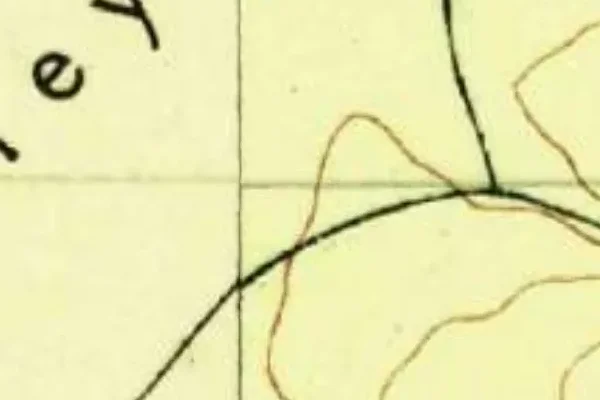
Widtsoe on the old USGS survey, and what the record holds around it
Within five miles the record maps 2 mine shafts, adits and prospect pits, 4 named mineral sites, 0 lost places and 1 cemeteries. Pro puts them on the map with the 1879–1919 survey underneath and a swipe to today.
From the archives

Widtsoe post office. Utah

Grocery store. Widtsoe, Utah

The town of Widtsoe, Utah

Widtsoe Valley purchase area. Utah
Widtsoe turns up on 1,277 digitized newspaper pages from Utah — read them free in the Library of Congress's Chronicling America collection.
Source: Library of Congress digital collections.
Questions from the field
- Why did the government buy Widtsoe?
- By 1936 drought had broken the dry-farm economy; the Resettlement Administration purchased the valley's farms and moved the last ~25 families to viable land — an orderly, documented death of a town.
From the field
The most valuable part of this record is the part only visitors can write.
Stamp your passport
Check in at Widtsoe — GPS-verified visits earn an inked stamp.
File a field report
Road conditions, what's still standing, what's gone — your report joins the record.
Add photographs
Credited, dated, and preserved as part of Widtsoe's permanent record.
No field reports yet — sign in to file the first.
Primary sources for this record
- — USGS GNIS feature 1447328
- — Resettlement Administration records — Widtsoe project
- — Garfield County histories