The story
Bannack was Montana's first major gold strike and, for a few months in 1864, its first territorial capital. Gold turned up on Grasshopper Creek in July 1862, and about 3,000 people arrived within a year.
The town is best remembered for its sheriff. Henry Plummer was hanged by vigilantes in January 1864, accused of secretly running the gang that robbed and killed travelers on the road to Virginia City. Historians still argue over how much of it was true. The gallows stood in his own town.
The gold played out slowly, and Bannack faded over decades rather than years — the last school class was held in the 1940s. It became a state park in 1954, preserved as found rather than rebuilt, which makes it a quieter, more honest visit than Montana's more commercial old mining towns.
What remains today
More than fifty original buildings along Main Street, including the Hotel Meade, the combined Masonic lodge and schoolhouse, the jail, and the gallows. Most buildings are open to walk through.
Society Pro
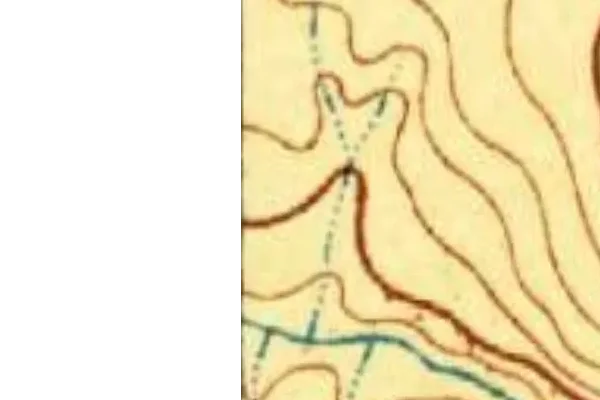
Bannack on the old USGS survey, and what the record holds around it
Within five miles the record maps 58 mine shafts, adits and prospect pits, 88 named mineral sites, 8 lost places and 1 cemeteries. Pro puts them on the map with the 1879–1919 survey underneath and a swipe to today.
From the archives

Bannack, Montana. Road into Bannack, Montana's first capitol

Bannack, Montana

Bannack, Montana

Bannack, Montana
Bannack turns up on 7,754 digitized newspaper pages from Montana — read them free in the Library of Congress's Chronicling America collection.
Source: Library of Congress digital collections.
Questions from the field
- Can you go inside the buildings at Bannack?
- Yes — unusually for a preserved ghost town, most of Bannack's fifty-plus buildings are open to walk through, including the Hotel Meade and the schoolhouse.
- Was Sheriff Henry Plummer really an outlaw?
- Historians still argue it. The vigilantes hanged him in 1864 as leader of the road-agent gang; the evidence was never tested in court, and the record reflects that uncertainty.
From the field
The most valuable part of this record is the part only visitors can write.
Stamp your passport
Check in at Bannack — GPS-verified visits earn an inked stamp.
File a field report
Road conditions, what's still standing, what's gone — your report joins the record.
Add photographs
Credited, dated, and preserved as part of Bannack's permanent record.
No field reports yet — sign in to file the first.
Primary sources for this record
- — USGS GNIS feature 802010
- — Montana FWP — Bannack State Park
- — Montana Historical Society — vigilante-era records